

Categories-
Price-
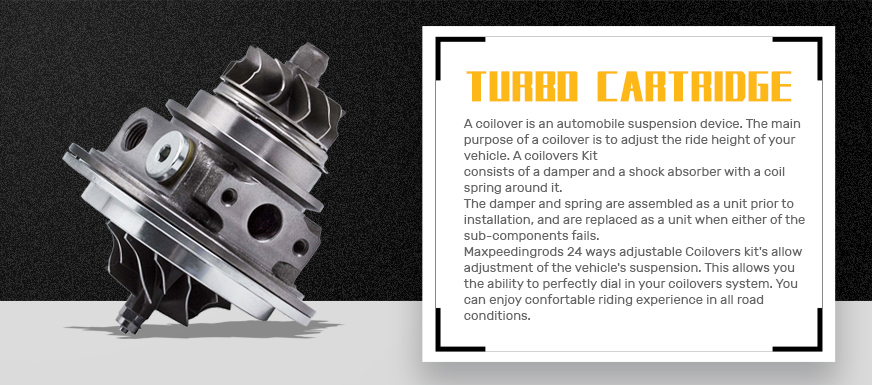
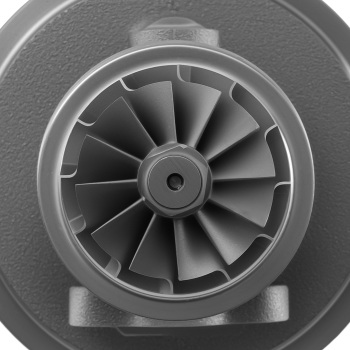
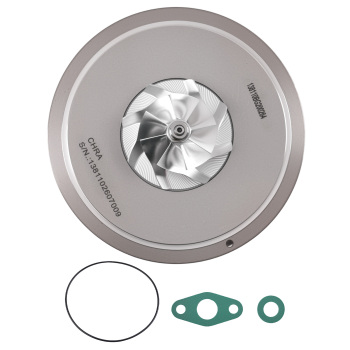
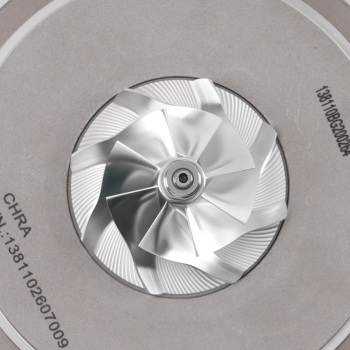
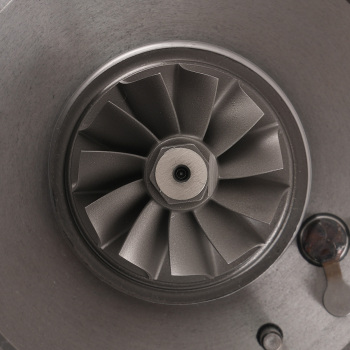
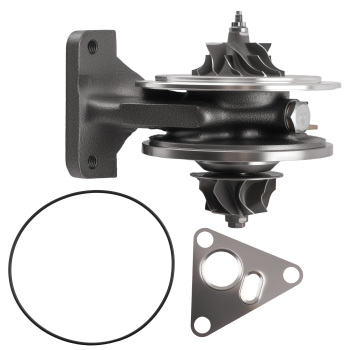
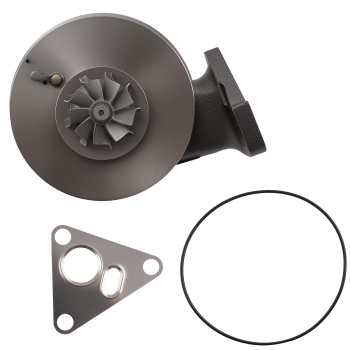
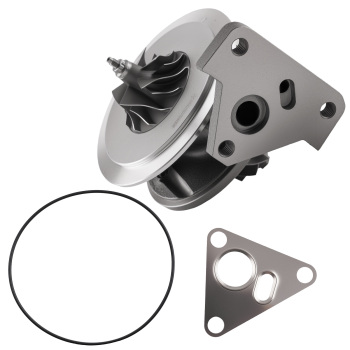
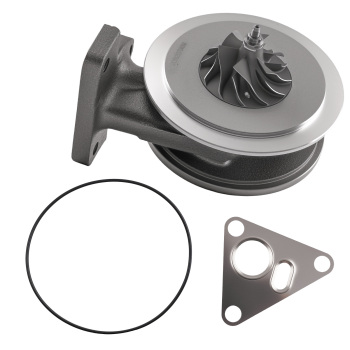
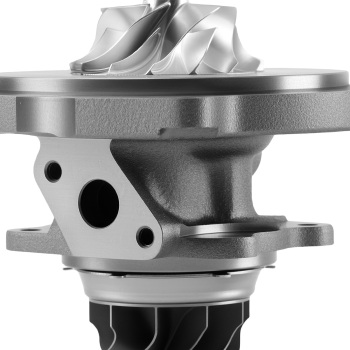
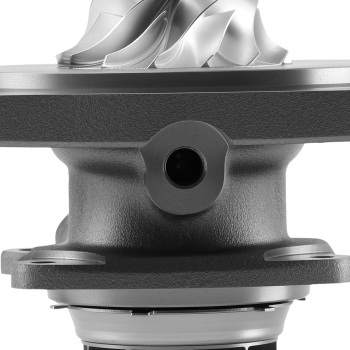
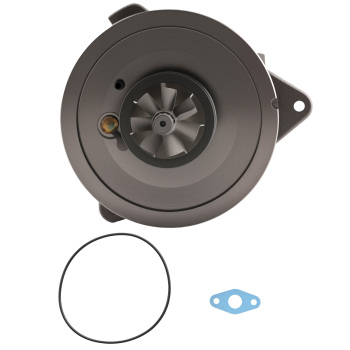
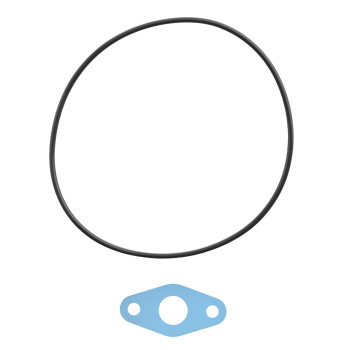
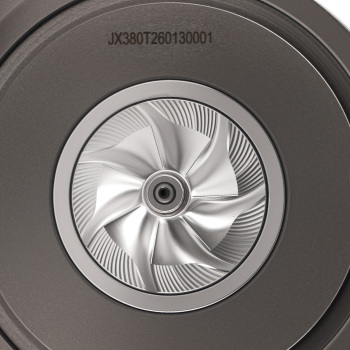
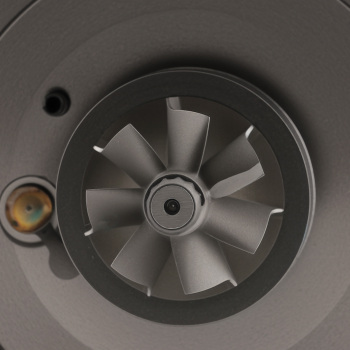
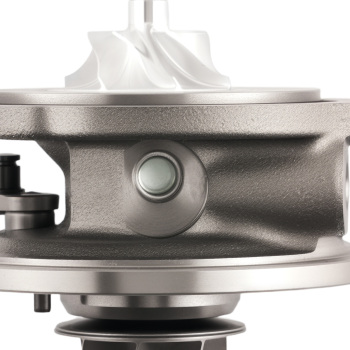
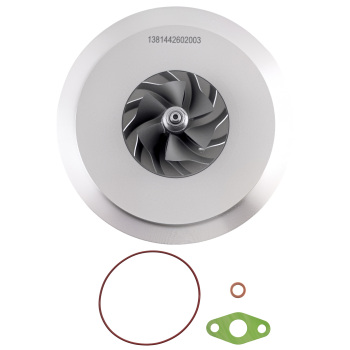
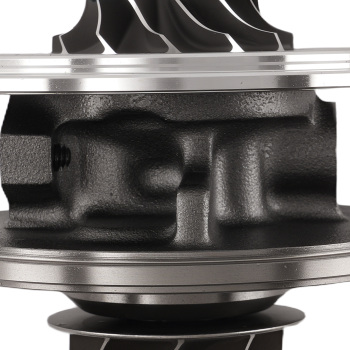
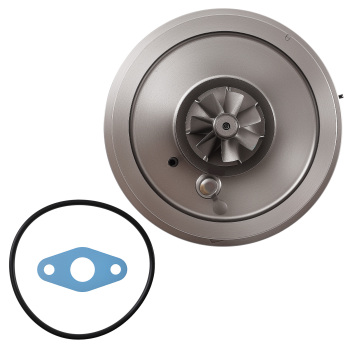
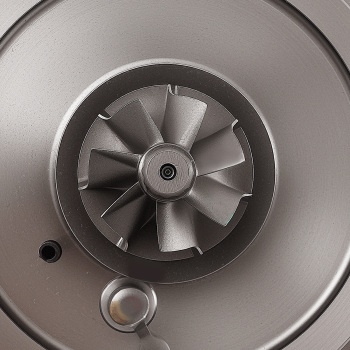
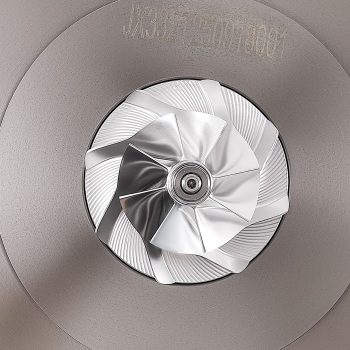
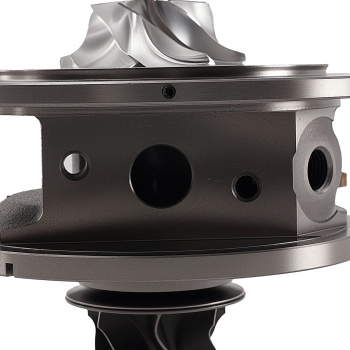
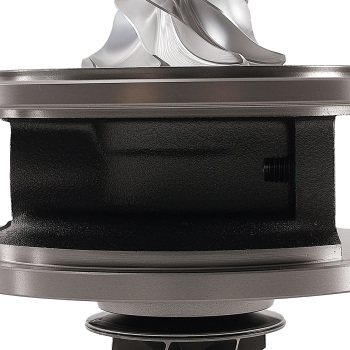
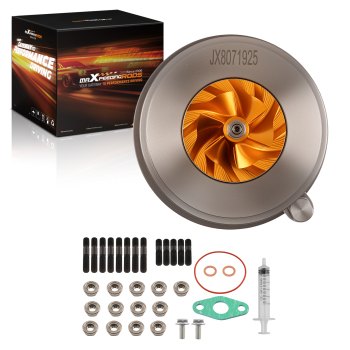
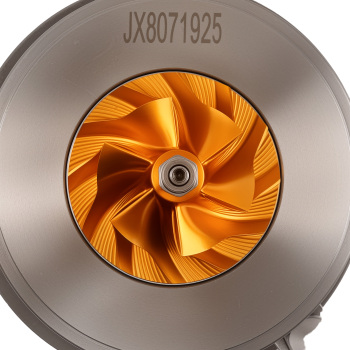
Compatible for VW Turbo Cartridge
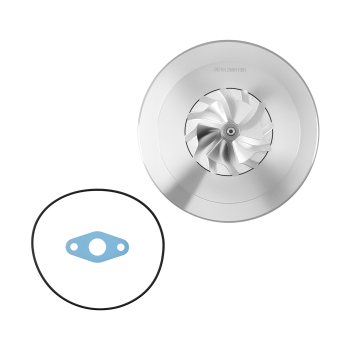
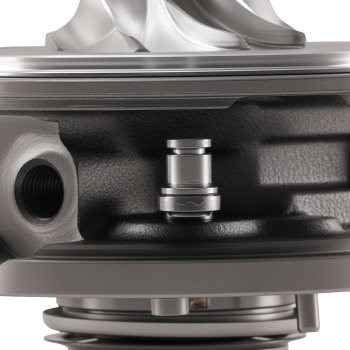
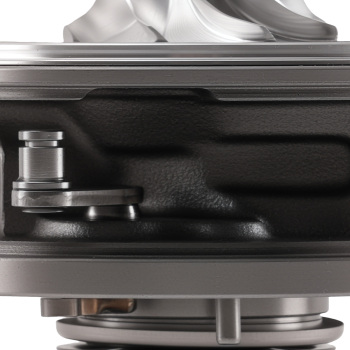
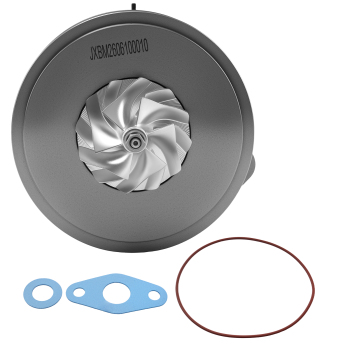
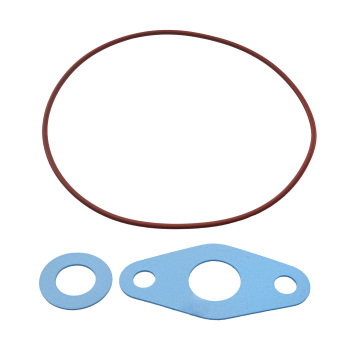
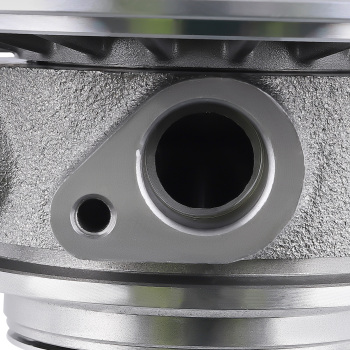
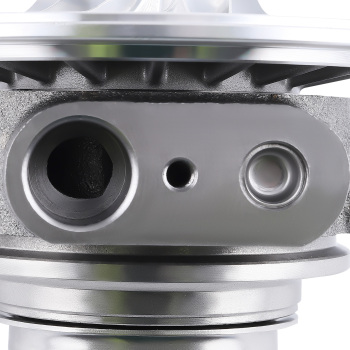
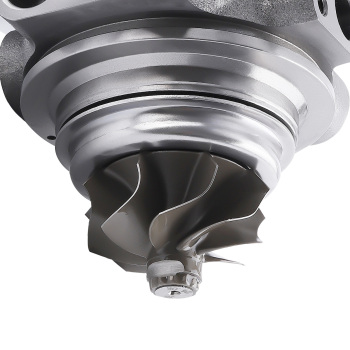
Buy Turbo Cartridge compatible for Volkswagen and Other VWs featuring turbocharged engines include for Passat turbo, for Jetta turbo, and for New Beetle turbo Char with affordable price at Maxpeedingrods. Turbo Cartridge parts compatible for Volkswagen are in-stock and available for all compatible for Volkswagen models with free shipping.
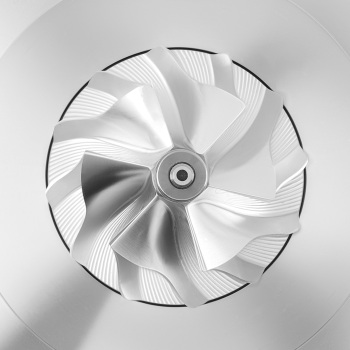
All Maxpeedingrods Turbo Cartridge compatible for BMW are well balanced, dynamic balancing supports maximum pressure of 3.0 bar. Replacing your car's with Maxpeedingrods Turbo Cartridge to enhance overall engine performance.





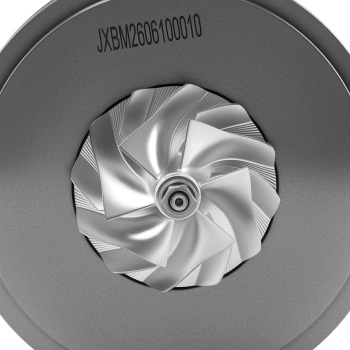
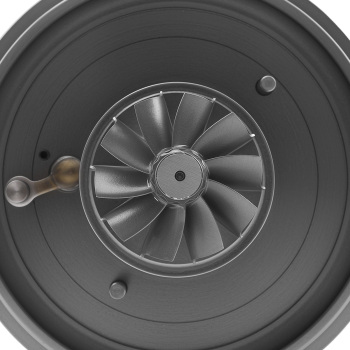
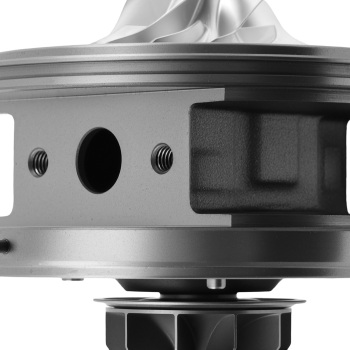
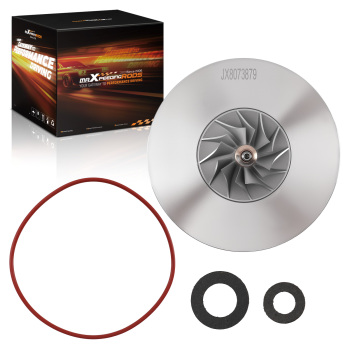
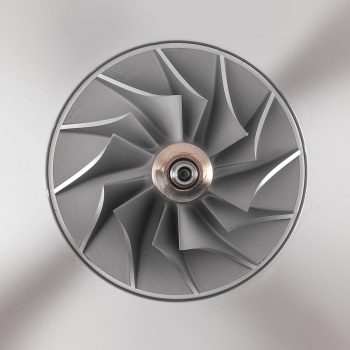
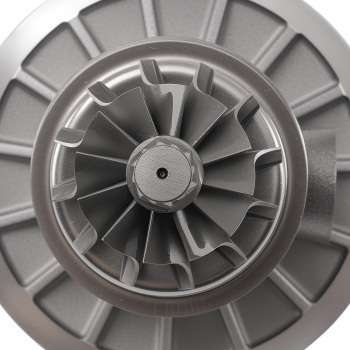
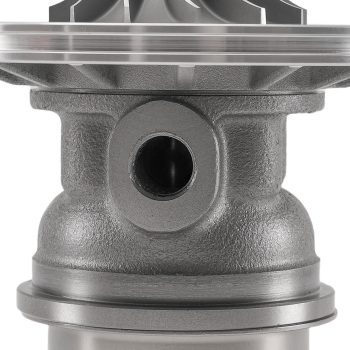
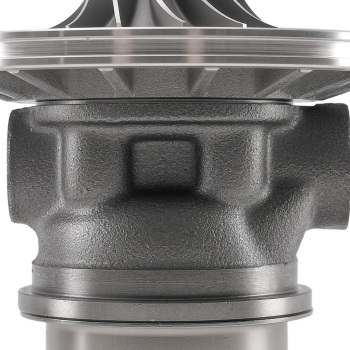
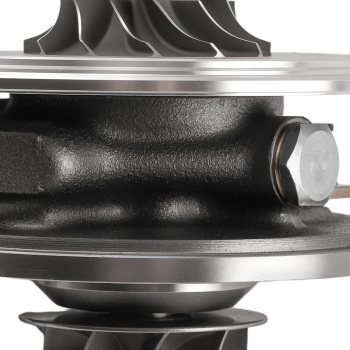
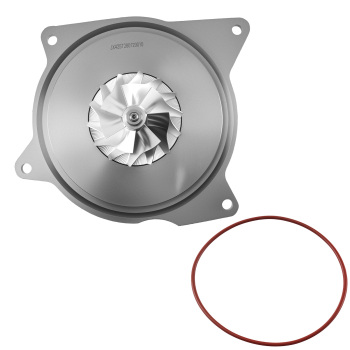
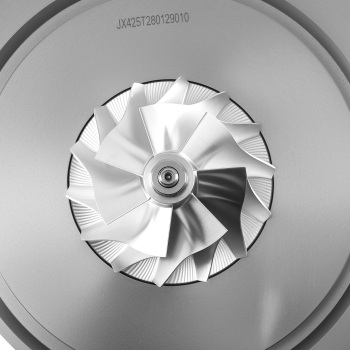
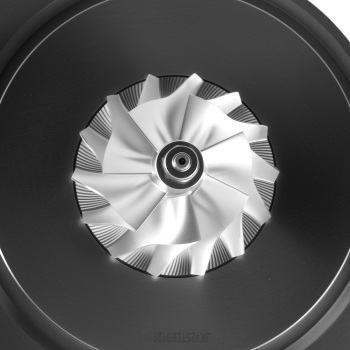
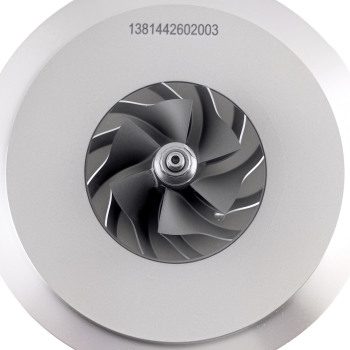
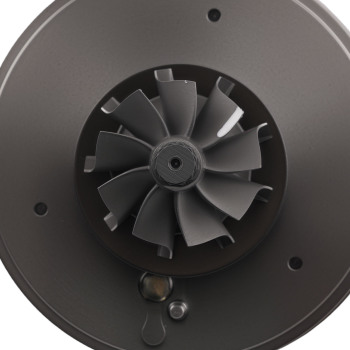
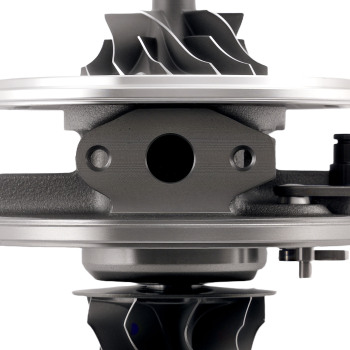
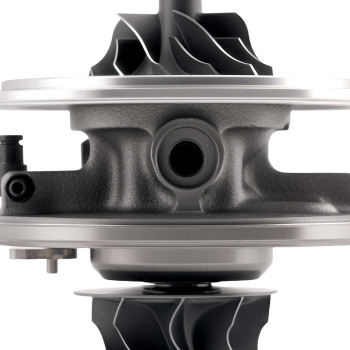
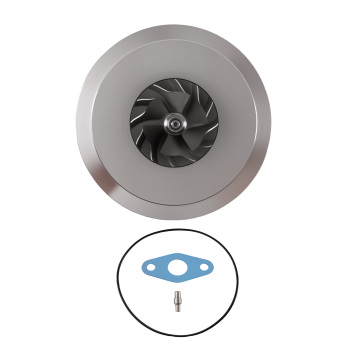
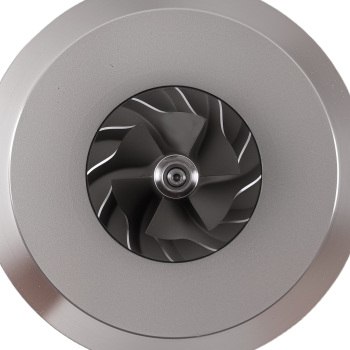
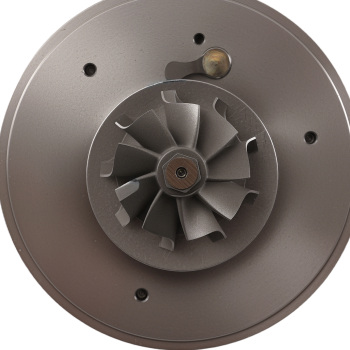
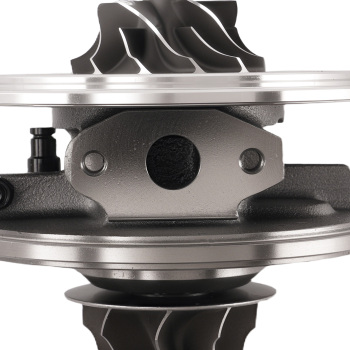
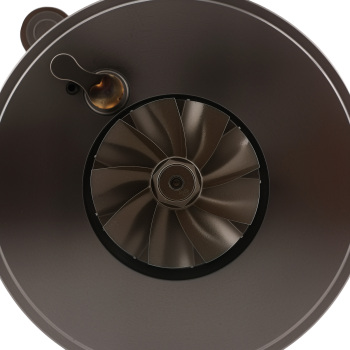
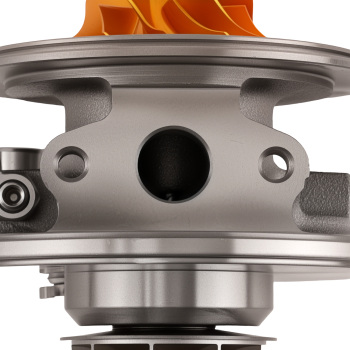
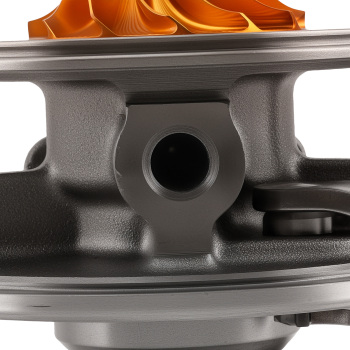
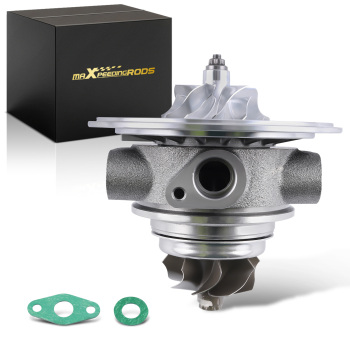

-
What is A Turbocharger?
A turbocharger(turbo)is a turbine-driven forced induction device that increases an internal combustion engine’s efficiency and power output by forcing extra air into the combustion chamber. When a turbocharger brings more air into the chamber, it gets mixed with more fuel, yielding more power as a result. In reality, the turbo doesn’t really get “extra air” into the engine, it actually compresses the air, which means there are more molecules being packed into the same space.
-
How Does a Turbocharger Work?
The most basic observation we can make about a turbocharger is that it is made up of two main sections: the turbine and the compressor.The turbine consists of the turbine wheel and the turbine housing. As your engine is running it creates exhaust gasses, these exhaust gasses would otherwise be wasted, but on a turbocharged engine, these hot and fast-moving gasses are used to drive the turbine wheel. On the other side, it is the compressor. The compressor also consists of two parts: the compressor wheeland the compressor housing. The compressor wheel has a fixed connection to the turbine wheel via a common shaft. When you spin the turbine wheel, you also spin the compressor wheel. The compressor wheel shape is designed to suck in air into the turbocharger. It’s called the compressor wheel because other than sucking the air in, the compressor wheel plays an important part in compressing the air, after which it sends the air through the compressor housing into your engine intake manifold and your combustion chamber. The compressed air is pushed into the engine, allowing the engine to burn more fuel to produce more power.
-
How to choose the right turbocharger?
When choosing a high performance turbocharger, first determine your horsepower goals. Each turbocharger has a corresponding horsepower and engine displacement. If a turbocharger is too large for your engine, you will have a lot of turbo lag, and if a turbocharger is too small for your engine, you may not reach your horsepower goal. When selecting compressor and turbine housings, choose the one that will pump the most air into the cylinders, but will not raise the temperature above that specified by the complex laws of thermodynamics. As size increases, efficiency decreases and heat rises. As efficiency decreases, air density decreases, and in turn, the amount of air available for the combustion chamber decreases. The things to be concerned about are horsepower and airflow. Lower boost pressure means that whatever turbo you use will produce less heat and work less hard, but all of this is of little consequence to your engine, which will decide whether to blow itself to pieces or produce a lot of power based on cylinder pressure rather than boost.